
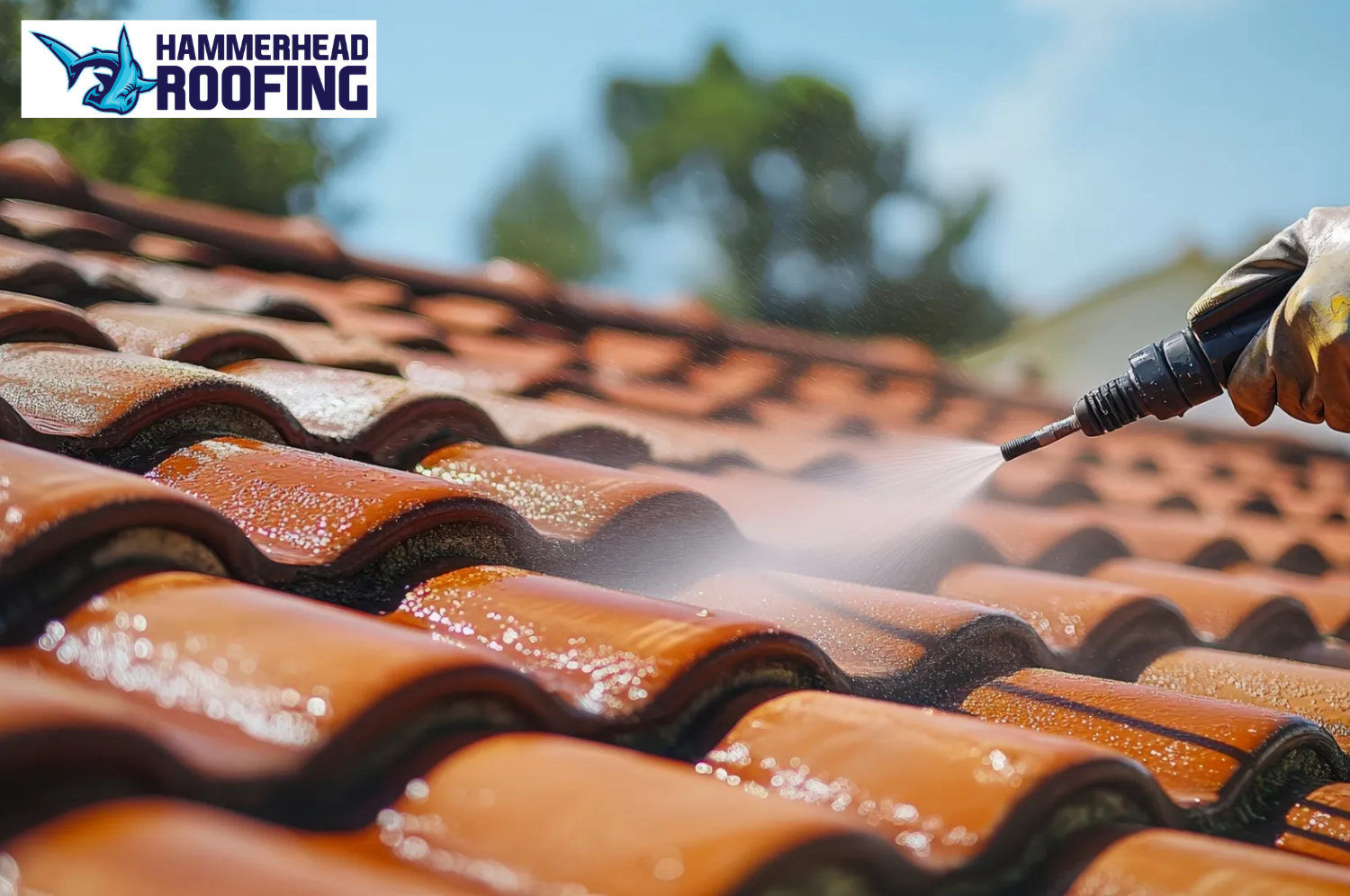
If you’re wondering what roof maintenance tasks should be done in Killingly weather, focus on checking shingles, cleaning gutters, clearing debris, inspecting flashing, maintaining your attic, and trimming nearby branches. These basic tasks help your roof stand up to Connecticut’s snow, rain, wind, and changing temperatures.
Key Takeaways:
|
Why Does Killingly Weather Make Roof Maintenance Important?
Killingly gets snow, ice, heavy rain, strong wind, humidity, and summer heat. Those conditions can loosen shingles, clog gutters, damage flashing, and allow water into small openings.
Many homes in Killingly, Danielson, Dayville, and nearby communities also sit near mature trees. Regular roof maintenance helps catch minor trouble before it becomes a leak or costly repair.
What Roof Maintenance Tasks Should Be Done in Killingly Weather?
Good roof care does not need to feel overwhelming. A few focused checks can help you find damage early and keep water moving away from your home. Professional roof maintenance services are the better choice when the roof is steep, wet, icy, or visibly damaged.
1. Inspect Shingles for Weather Damage
Look at your roof from the ground with binoculars or your phone’s zoom. Watch for missing, lifted, cracked, curling, or uneven shingles, especially after strong wind.
Check near the downspouts for piles of dark, sand-like granules. Some granule loss is normal, but repeated buildup may mean the shingles are wearing out.
2. Clean Gutters and Downspouts
Gutters carry rain and melting snow away from your roof. When leaves and twigs block them, water can overflow, soak the fascia, or work its way beneath the roof edge.
Tree-covered properties may need more than one fall cleaning. Remove debris, flush the downspouts, and make sure water drains away from the foundation.
3. Remove Debris From Valleys and Roof Edges
Leaves, pine needles, acorns, and branches often collect in roof valleys and along the edges. Wet debris traps moisture and slows drainage during storms.
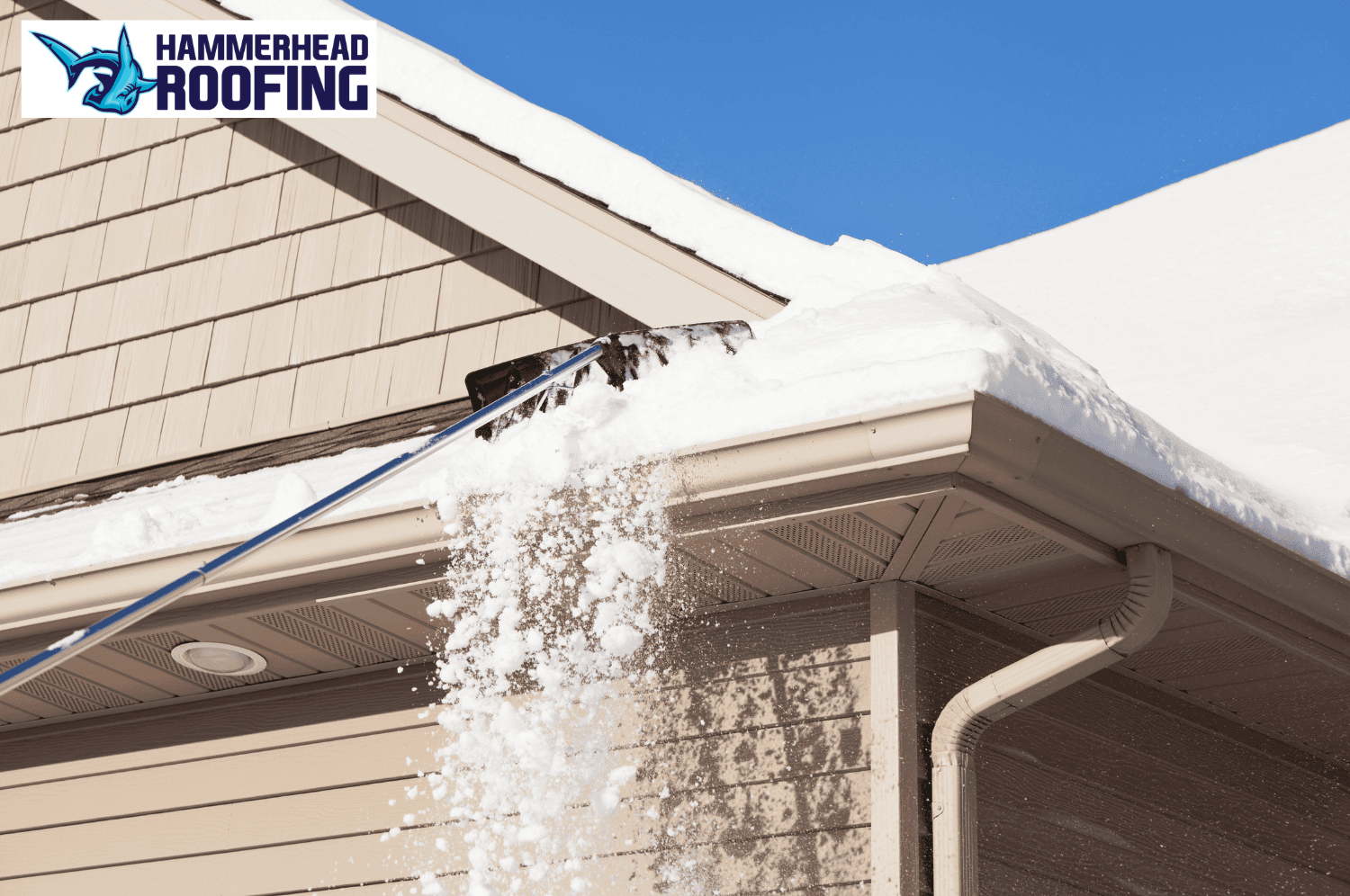
Use a soft roof rake from the ground if the area is safely within reach. Do not pressure wash asphalt shingles because the force can remove granules and push water underneath them.
4. Check Flashing and Roof Penetrations
Flashing protects the areas around chimneys, skylights, vent pipes, dormers, and roof-to-wall joints. Look for rust, bent metal, gaps, loose edges, or cracked sealant.
These spots may leak only when wind pushes rain in a certain direction. Fixing loose flashing early can prevent damage to the decking, insulation, and ceiling below.
5. Maintain Attic Insulation and Ventilation
Your attic plays a big part in the health of your roof. Uneven insulation and poor ventilation can trap moisture, raise attic temperatures, and contribute to winter ice dams.
Check for wet insulation, musty smells, condensation, dark stains, and blocked vents. Large icicles or repeated ice buildup may also point to heat escaping into the attic.
6. Trim Overhanging Tree Branches
Branches that touch the roof can scrape shingles when the wind blows. They also drop leaves and twigs directly into gutters and valleys.
Heavy snow can cause weak limbs to break and strike the roof. Hire a tree professional for large branches, especially those above the house or near power lines.
Frequently Asked Questions
Here are quick answers to common questions homeowners have about Killingly roof maintenance tips. These answers can help you decide what you can check yourself and when you need a roofer.
What is the most important roof maintenance task in Killingly?
Keeping gutters and roof valleys clear is one of the most important tasks because it allows rain and melting snow to drain properly. You should also check for shingle and flashing damage after severe weather so small openings do not become active leaks.
Can I inspect my roof without climbing on it?
Yes, you can spot many problems from the ground with binoculars or your phone’s camera. You can also check the attic for stains, damp insulation, or visible daylight, then call a roofer if anything looks wrong.
Should I remove snow after every storm?
No, a light layer of snow usually does not need to be removed after every storm. Contact a professional if you notice deep drifts, sagging, cracking sounds, leaks, or doors that suddenly become difficult to close.
Why does my roof leak only during certain storms?
Wind-driven rain may enter through lifted shingles or loose flashing even when normal rainfall does not cause a problem. Water can travel along the decking or rafters, so the visible ceiling stain may not sit directly below the opening.
When should I repair my roof instead of replacing it?
A repair may be enough when the damage affects one small area and the rest of the roof remains in good condition. Replacement may make more sense when the roof is old, shingles are worn across several areas, or leaks continue to return.
Protect Your Killingly Home. Call HammerHead Roofing Today!
You do not need to wait for water to drip from the ceiling before calling a roofer. HammerHead Roofing can inspect your roof, identify weather-related damage, and explain what needs attention.
We provide roof inspections, repairs, and maintenance for homeowners in Killingly, Danielson, Dayville, and nearby Connecticut communities.
Contact us today to schedule your service and prepare your roof for the next storm.