
Table of Contents
Knowing how to find out age of roof helps you avoid surprise repairs, failed inspections, and costly damage. This guide shows you easy ways to estimate roof age, spot warning signs, and know when to call a local pro.
If you live in Killingly or nearby areas in Connecticut, your roof deals with a lot. Snow and ice in winter, heavy rain in spring, summer heat, and falling leaves in the fall all take a toll. Even a well-installed roof won’t last forever.
That’s why knowing your roof’s age matters. It helps you plan repairs, talk to insurance with confidence, and decide when replacement makes sense—before small issues turn into big problems.
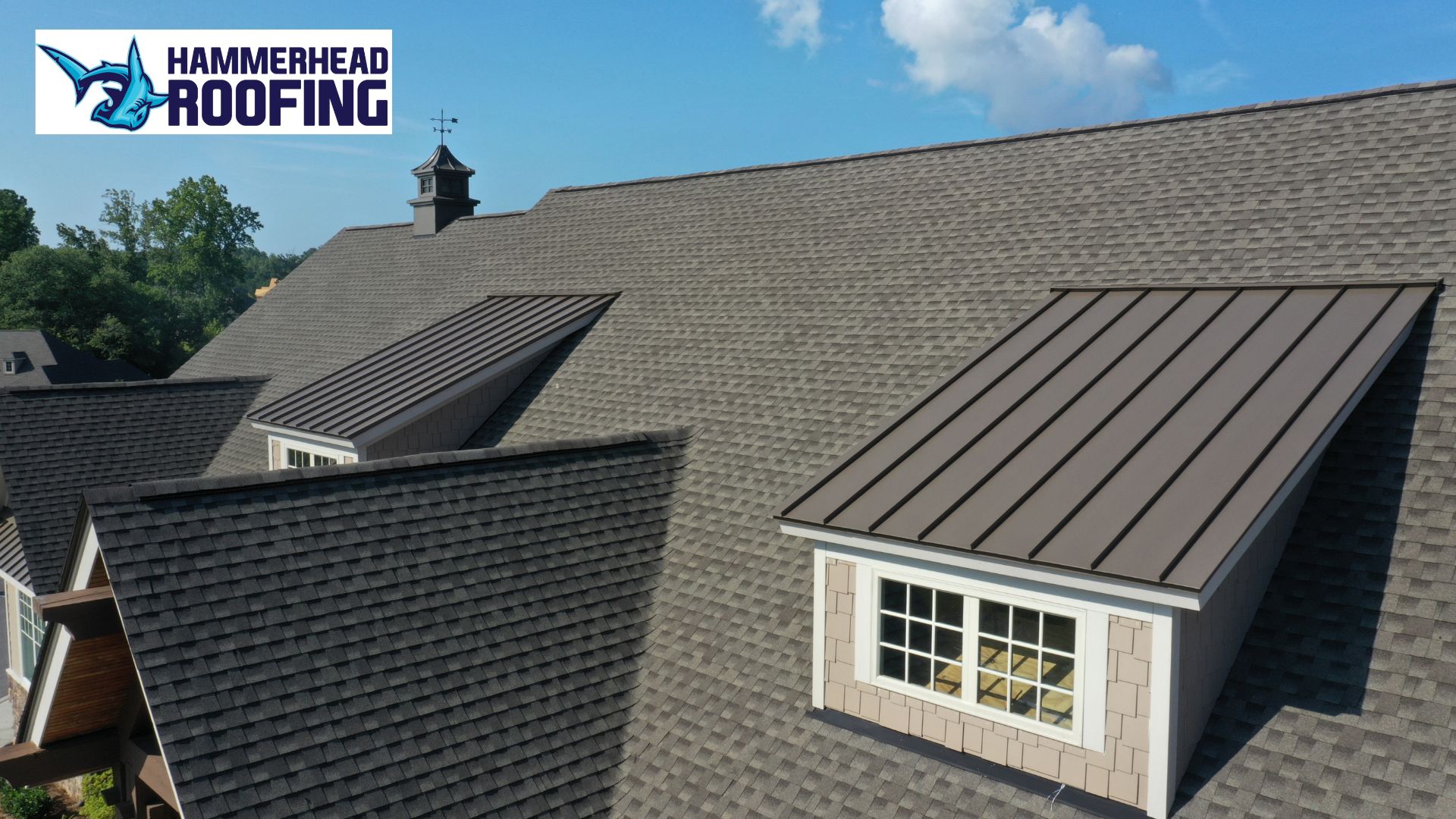
Why Knowing Your Roof’s Age Is Important
Your roof protects your entire home. As it gets older, problems become more likely.
Roof age affects:
-
Home buying and selling
-
Insurance claims
-
Repair vs. replacement decisions
-
Your long-term budget
If you know your roof’s age, you can plan ahead instead of reacting to leaks or damage.
How to Find Out Age of Roof
1. Start With Home Records
The easiest way to learn your roof’s age is by checking paperwork.
Look for:
- Roof replacement invoices
- Warranties
- Building permits
- Home inspection reports
If you recently bought your home, your closing documents may already list the roof’s age.
2. Ask the Previous Homeowner or Builder
If records are missing, try asking. Many homeowners remember when the roof was replaced.
If your home is newer, the builder or developer may still have installation details. This works especially well for roofs replaced in the last 10–20 years.
3. Check Local Permits in Killingly
In Connecticut, most roof replacements require a permit. Local town offices often keep these records.
You can:
- Call the town office
- Ask your roofing contractor to help check permit history
This method gives you a more accurate install date, not just a guess.
4. Look at the Roof From the Ground
Even without records, your roof shows signs of age. You don’t need to climb up—use binoculars if needed.
Watch for:
- Curling or cracked shingles
- Missing shingles
- Granules collecting in gutters
- Uneven or sagging rooflines
In Connecticut, most asphalt shingle roofs last 20–30 years, depending on care and ventilation.
5. Check the Attic for Clues
Your attic can tell you a lot about roof condition.
Look for:
- Water stains
- Mold or mildew
- Soft or rotting wood
- Sunlight coming through the roof deck
If you notice these, your roof may be near the end of its life—even if it looks okay outside.
6. Know Your Roofing Material
Different roofing materials last different lengths of time.
Typical lifespans:
- Asphalt shingles: 20–30 years
- Metal roofing: 40–70+ years
If your roof is older than its expected lifespan, it’s smart to plan the next steps now.
7. Get a Professional Roof Inspection
If you want a clear answer, a professional inspection is the best move. Local roofing companies understand local weather, common roofing issues, and building codes.
At HammerHead Roofing, inspections include:
- Shingle condition and layers
- Flashing and ventilation
- Signs of past repairs
- Overall roof health
You’ll get honest advice—no pressure.
Don’t Wait Until There’s a Leak
If your roof is:
- Over 20 years old
- Showing visible wear
- Leaking during storms
- Raising insurance concerns
…it’s time to act. Early inspections cost less than emergency repairs.
Ready for Answers? Call HammerHead Roofing Today!
Not sure how to find out age of roof or what your roof needs next? HammerHead Roofing proudly serves Killingly and nearby Connecticut communities with clear inspections and straightforward guidance. Schedule your roof inspection today and get peace of mind about your home!
Key Takeaways:
- Knowing how to find out age of roof helps you avoid surprise costs
- Records, permits, and visual signs all offer useful clues
- Connecticut weather can shorten roof lifespan over time
- Professional inspections from HammerHead Roofing give the most accurate answers
- Planning early protects your home and your budget