
A winter roof inspection checklist is one of the smartest things you can follow before and during the coldest months of the year.
This guide breaks down exactly what to check, why it matters, and whether it makes sense to handle it yourself or call in a professional.
Key Takeaways:
|
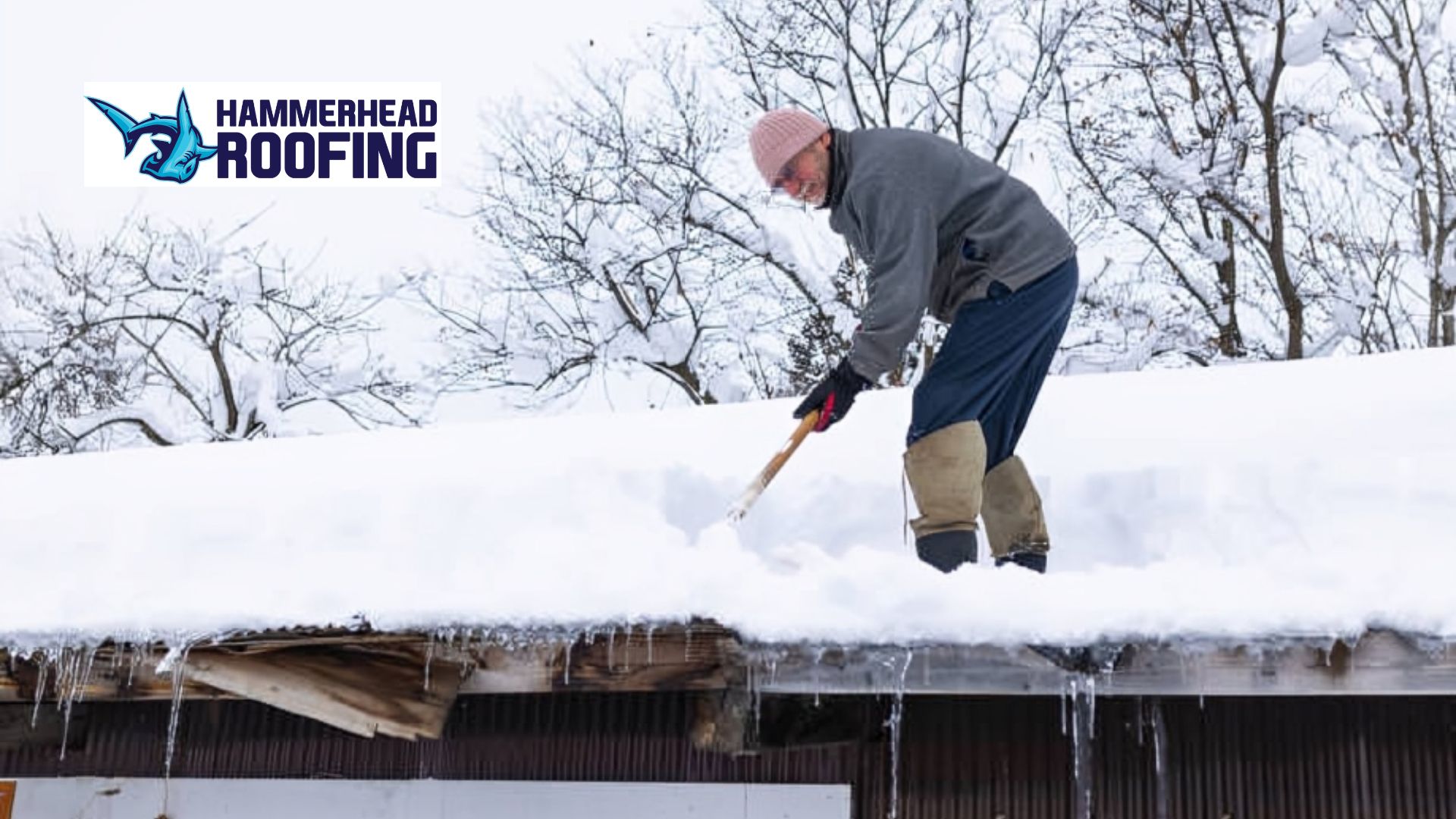
Winter Roof Inspection Checklist
Here’s a simple checklist we recommend for homeowners dealing with winter roofing in Killingly CT:
- Look for missing or cracked shingles
- Check flashing around chimneys and vents
- Watch for ice dams and heavy icicles
- Make sure gutters and downspouts are clear
- Inspect attic insulation
- Look for moisture or frost in the attic
- Check ceilings for water stains
- Keep an eye on heavy snow buildup
- Look for sagging roof areas
- Make sure roof ventilation is working
Now let’s break this down so you know exactly why each step is important.
Checklist Explained
1. Look for Missing or Cracked Shingles
Cold weather makes shingles brittle. Add some wind from a Nor’easter and it does not take much for shingles to crack or lift.
Walk around your house and look up. If you see dark spots, uneven lines, or pieces on the ground, that is a red flag.
Even one missing shingle can let melting snow sneak underneath.
2. Check Flashing Around Chimneys and Vents
Flashing is that metal piece that seals around chimneys and roof pipes.
In winter, metal expands and contracts. Over time, it loosens. When that happens, water finds its way in.
If anything looks bent, lifted, or rusted, it should be checked out.
3. Watch for Ice Dams
Ice dams are a big issue here in Killingly CT.
They happen when heat escapes into the attic, melts snow on the roof, and the water refreezes at the edge. That ice traps more water behind it.
If you see thick ice along the eaves or long icicles hanging from gutters, your roof might be struggling.
Ice dams do not just sit there. They push water under shingles and into your home.
4. Make Sure Gutters Are Clear
Gutters matter more in winter than people realize.
If leaves or debris are still sitting in there, melting snow cannot drain properly. Water backs up, freezes, and adds weight.
Sagging gutters or ice buildup along the edge of the roof are signs something is off.
5. Check Attic Insulation
This one surprises a lot of homeowners.
Most winter roofing problems start inside the attic. If insulation is thin or uneven, warm air rises up and heats the roof.
That heat causes uneven melting, which leads straight to ice dams.
Take a quick look. Insulation should look thick and evenly spread across the attic floor.
6. Look for Frost or Moisture in the Attic
Bring a flashlight and check the underside of the roof decking.
If you see frost, damp wood, or dark stains, that means moisture is building up.
In cold temperatures, that moisture freezes overnight and melts during the day. Over time, that damages the wood.
7. Check Ceilings for Water Stains
Walk through your upstairs rooms.
Look at the ceiling corners and around light fixtures. Brown spots, peeling paint, or bubbling drywall are warning signs.
A roof leak in winter usually starts small. Catching it early can save thousands.
8. Keep an Eye on Heavy Snow
A few inches of snow is usually fine.
But heavy, wet snow that sticks around adds serious weight. If snow looks unusually deep or uneven, it is worth paying attention.
If you hear creaking in the attic after a storm, do not ignore it.
7. Look for Sagging
Step back from your home and look at the roofline.
It should look straight. If you notice any dipping or sagging areas, that is not normal.
Sagging can mean structural stress, especially after multiple storms.
8. Make Sure Ventilation Is Working
Good ventilation keeps attic temperatures steady.
If soffit vents are blocked or ridge vents are clogged, warm air gets trapped. That feeds ice dams.
Balanced airflow is key during winter roofing season in Killingly CT.
DIY or Hire a Professional?
Some parts of this Winter Roof Inspection Checklist are easy enough to check from the ground or inside the attic.
But climbing onto an icy roof is risky. Every year, a lot of homeowners get hurt trying to handle winter roofing issues themselves.
A professional winter roof inspection company in CT brings proper safety equipment and knows exactly what to look for.
We see things most homeowners miss. Tiny flashing gaps. Soft spots under shingles. Early signs of ventilation problems.
Sometimes everything looks fine from the ground, but there are hidden issues underneath.
A professional inspection gives peace of mind. Especially during winter.
Trust HammerHead Roofing with Your Winter Roofing Needs!
If your roof has not been looked at recently, now is the time.
HammerHead Roofing understands local winter conditions. We know what roofs in this area go through. Our inspections are thorough but straightforward. No pressure. No confusing talk. Just honest feedback about what your roof needs.
So reach out today to schedule your roof inspection and get a personalized estimate!