
When to schedule a roof inspection is something a lot of homeowners are wondering about, especially after a rough winter or a windy storm rolls through town.
In this guide, you’ll get straight answers on the right time to book an inspection, what signs to look for, and how a simple checkup can save you from big repair bills later.
Key Takeaways:
|
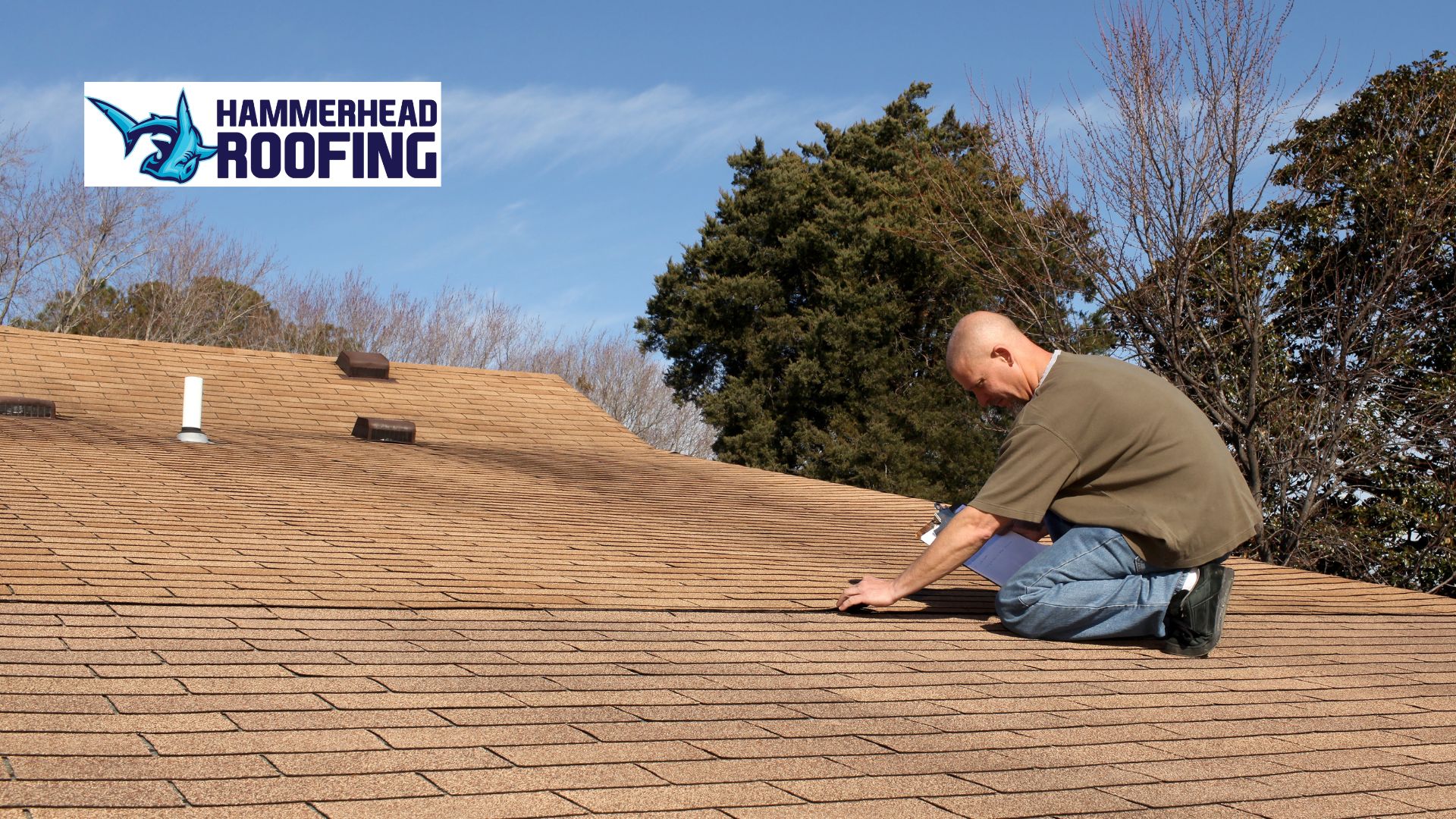
When to Schedule a Roof Inspection
1. Once a Year. No Drama. Just Smart.
Even if your roof “looks fine,” I always tell homeowners to schedule a roof inspection once a year.
You go to the doctor for checkups. Your roof deserves the same.
A yearly roof inspection lets us catch:
- Small cracks in shingles
- Loose flashing around chimneys
- Nails backing out
- Early signs of leaks
These are simple fixes when caught early. Ignore them, and they turn into bigger headaches.
2. After a Big Storm
If you heard strong wind howling or saw branches come down in your yard, your roof felt that too.
Wind can lift shingles just enough to break the seal. Hail can bruise them without leaving giant holes. Heavy rain can expose weak spots.
Here’s the thing. From the ground, it often looks fine.
Then three months later, there is a brown stain on your ceiling.
If a storm hits Windham County hard, that is the perfect time to call a roof inspection company in Killingly and have someone take a look. Better safe than sorry.
3. When Your Roof Hits 15 Years Old
Most homes around here have asphalt shingles. They typically last 20 to 30 years, depending on installation and maintenance.
But once your roof hits 15 years, things start changing.
Shingles can:
- Curl at the edges
- Lose protective granules
- Crack in freezing weather
- Become brittle
At that point, I usually recommend yearly inspections without skipping.
Even if you are not ready for a replacement, you want to know where things stand.
4. After Winter Ends
Winter is rough on roofs in Killingly.
Ice dams are common. Snow melts during the day, refreezes at night, and forces water under shingles.
Even if you did not see ice hanging off your gutters, damage can still happen.
Spring is honestly one of the best times for a roof inspection in Killingly CT. We check for cracked shingles, soft decking, and flashing issues caused by freeze and thaw cycles.
It is much easier to fix winter damage before spring rain shows up.
5. If You See Signs Inside Your Home
A lot of homeowners wait until there is an obvious leak.
But your house usually gives hints before that.
Watch for:
- Ceiling stains
- Peeling paint near the top of walls
- A musty attic smell
- Sunlight coming through attic boards
If you notice any of that, do not wait.
Moisture spreads. Wood rots. Insulation gets soaked. What starts small can get expensive quickly.
6. If You See Granules in the Gutters
When you clean your gutters, take a look.
If you see a pile of black sand like material, those are shingle granules.
Some loss is normal. But if it looks excessive, your shingles are wearing down.
Granules protect your roof from UV rays and weather damage. Once they are gone, shingles age faster.
That is another good reason to schedule a roof inspection before the next season hits.
7. Before Buying or Selling a Home
If you are buying a house in Killingly, get a proper roof inspection.
A general home inspection is helpful, but a roofing contractor will look closer at:
- Shingle condition
- Flashing details
- Ventilation
- Decking integrity
If you are selling, an inspection can actually make things smoother. Fix small issues upfront instead of letting buyers use them as negotiation leverage.
8. If Energy Bills Suddenly Go Up
This one surprises people.
If your heating bills spike in winter or cooling bills rise in summer, your roof ventilation could be part of the problem.
Poor airflow traps heat and moisture in the attic. That stresses your HVAC system and your roofing materials.
During a roof inspection we often check ventilation along with shingles and flashing.
What Actually Happens During a Roof Inspection?
Homeowners ask this all the time.
When we inspect a roof, we:
- Check shingles for damage or lifting
- Inspect flashing around chimneys and vents
- Look at gutters and drainage
- Check attic ventilation and moisture
- Take photos so you can see what we see
You should walk away understanding the condition of your roof clearly. No pressure. Just facts.
Why Waiting Usually Costs More
Here is the truth.
Most full roof replacements start with something small that got ignored.
A lifted shingle. A cracked flashing joint. A tiny leak.
Water finds a way in. Then decking rots. Insulation gets soaked. Mold becomes a concern.
In Connecticut’s climate, damage moves fast once moisture is involved.
Scheduling an inspection at the right time keeps small problems small.
Schedule Your Inspection with HammerHead Roofing Today!
If you need help on when to schedule a roof inspection in Killingly and nearby areas, contact us. We inspect roofs the way we would inspect our own homes. We show up. We look closely. And we explain things in detail.
Just give us a call today. It is better to check now than deal with a surprise leak later.