
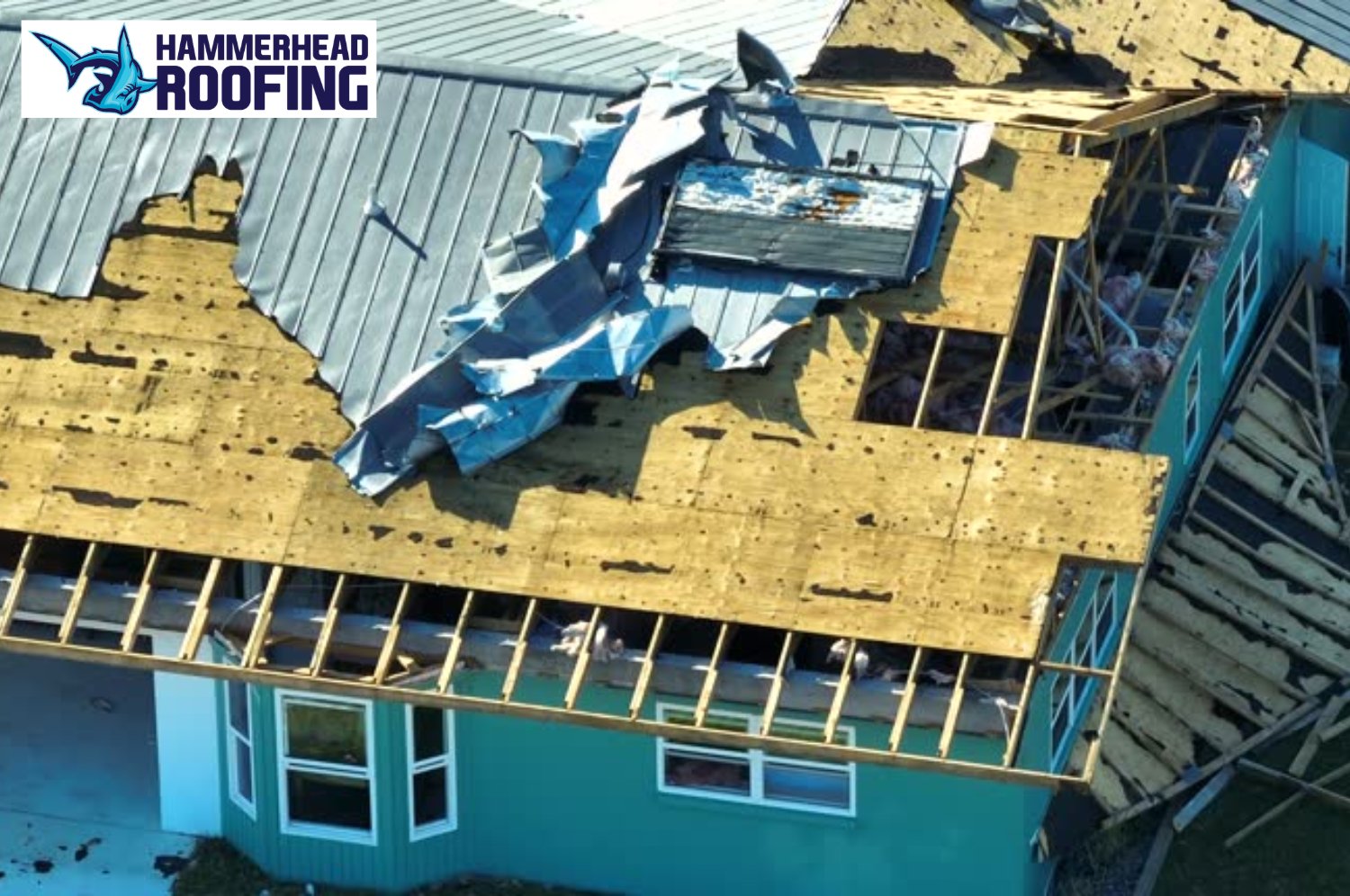
If you’re wondering how to repair hurricane wind damage on roof Killingly CT homeowners face, start by documenting the damage, stopping any leaks, and calling a local roofer for an inspection. A proper repair may include replacing wind-damaged shingles, flashing, underlayment, or roof decking before the next storm causes more trouble.
Key Takeaways:
|
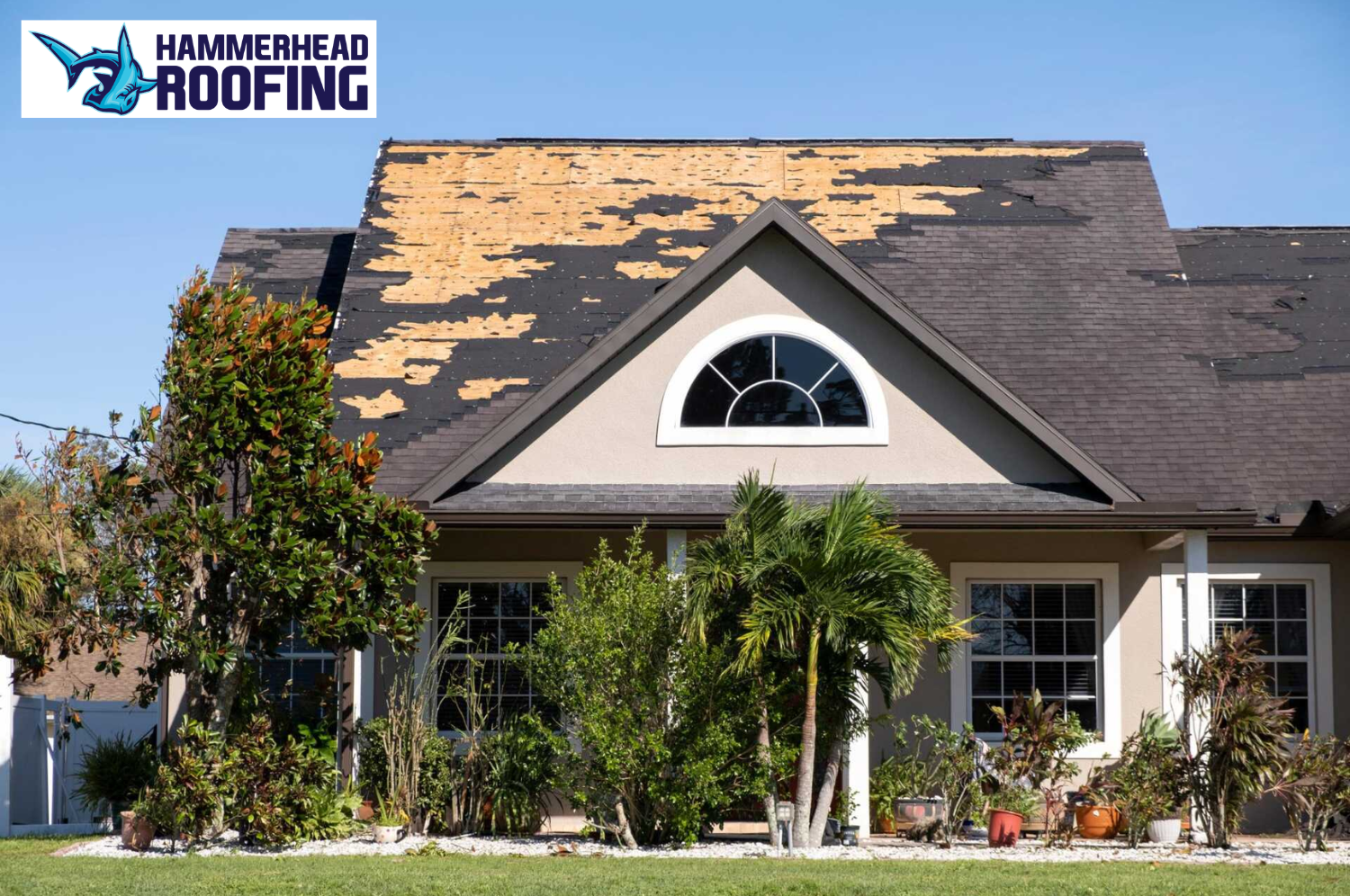
What Are the Signs of Hurricane Wind Damage?
Check your roof from the ground after the storm. Common warning signs include:
- Missing, cracked, loose, or folded shingles
- Damaged ridge caps or flashing
- Loose gutters or fallen branches
- Exposed underlayment or roof decking
- New leaks, ceiling stains, or musty odors
If it is safe, check the attic for damp insulation, dark stains, or daylight coming through the roof. Even without an active leak, visible roof damage should be inspected by a professional.
How to Repair Hurricane Wind Damage on Roof Killingly CT Homeowners Face?
A proper roof wind repair should address every damaged part of the roofing system—not just the most obvious missing shingles. Here is how the process usually works.
Step 1: Inspect and Document the Damage
Start by taking clear photos from the ground. Photograph missing shingles, damaged gutters, fallen branches, roofing debris in the yard, and water stains inside the house.
Next, have a roofer inspect the roof, attic, flashing, vents, valleys, gutters, and other vulnerable areas. Keep the photos, inspection notes, estimates, and receipts together in case you need them for an insurance claim.
Step 2: Stop More Water From Getting Inside
Place buckets beneath active drips and move furniture, electronics, and valuables away from the wet area. If water is close to lights, outlets, or wiring, stay away and call a qualified professional.
A roofer may install an emergency tarp if permanent repairs cannot begin right away. The tarp can reduce further water entry, but it is only temporary and should not be treated as the finished repair.
Step 3: Remove Damaged Roofing Materials
The roofer will remove missing, cracked, torn, or badly creased shingles from the affected section. Damaged ridge caps, flashing, or underlayment may also need to come off.
Nearby shingles must be handled carefully, especially on an older roof. Aging shingles often become brittle, so the repair area may grow if surrounding materials crack or no longer hold securely.
Step 4: Repair the Decking and Underlayment
Once the shingles are removed, the roofer can inspect the wooden roof deck. Soft, wet, split, or punctured sections should be replaced before anything new is installed over them.
The contractor will then add new underlayment to the repaired section. This layer provides extra moisture protection and creates a sound base for the replacement shingles.
Step 5: Replace Wind-Damaged Shingles
New shingles are installed and fastened according to the manufacturer’s instructions. Missing or loose ridge caps should also be replaced because the roof’s peak takes a direct hit from strong winds.
Matching wind damaged shingles can be difficult if the roof is old, faded, or made with a discontinued product. Your roofer should explain the available options and whether a targeted repair will work with the existing materials.
Step 6: Repair Flashing, Vents, and Seals
Flashing is the metal material that helps keep water out around chimneys, valleys, walls, and other roof joints. Strong winds can bend it, loosen it, or pull it away from the surface.
The roofer should also check pipe boots, vent covers, skylights, and seals around roof openings. Any damaged parts must be repaired so rain runs down the roof instead of slipping underneath it.
Step 7: Clear the Gutters and Check the Finished Work
Leaves, twigs, granules, and broken roofing pieces can block gutters after a storm. Clearing this debris allows rainwater to drain away from the roof, siding, and foundation.
After completing the storm damage repair, the roofer should inspect the work again. Watch your attic and ceilings during the next rainfall and call the contractor if you notice new moisture.
Should You Repair It Yourself or Hire a Pro?
You can safely take photos from the ground, check the attic, contain leaks, and move belongings away from water. Leave rooftop work to a professional, since storm-damaged roofs may have slippery shingles, loose debris, or weak decking.
DIY patches can worsen leaks or miss damage beneath the shingles. Hire an insured local roofer who provides a written scope of work, explains whether repair or replacement makes sense, and does not pressure you to sign.
Frequently Asked Questions
How soon should hurricane roof damage be repaired?
Arrange an inspection as soon as the weather is safe. Waiting can allow another rainstorm to damage the insulation, ceilings, walls, and roof decking.
Can lifted shingles be repaired?
Sometimes. A roofer may be able to secure shingles that are still flexible and undamaged. Creased, torn, brittle, or badly loosened shingles usually need replacement.
Does one missing shingle mean I need a new roof?
Usually not. A single missing shingle may only require a small repair. The roof’s age, nearby damage, and availability of matching materials will affect the decision.
Will homeowners insurance cover wind damage?
Some policies cover sudden wind damage, but coverage, deductibles, and exclusions vary. Contact your insurer directly and keep copies of your photos, estimates, receipts, and inspection report.
Should I call a roofer if the roof is not leaking?
Yes. Wind damage does not always cause an immediate leak. An inspection can find loose or damaged materials before the next storm sends water into your home.
Get Roof Repair Help From HammerHead Roofing Today!
After a major storm, it can be hard to tell whether you have a few damaged shingles or a much larger problem. You do not have to make that call on your own.
HammerHead Roofing can inspect your roof, explain what happened, and recommend a practical solution based on its actual condition.
If your Killingly home has missing shingles, branch damage, or signs of a leak, contact us today to schedule an inspection.