
Storms can roll through Killingly fast, and when they do, roof damage can feel overwhelming. Knowing what to do after emergency roof repair after storm damage situations can help you protect your home and avoid bigger problems.
In this blog, we’ll walk through what steps to take in the first 24 hours, how to limit damage, and when it makes sense to call for professional help.
Key Takeaways:
|
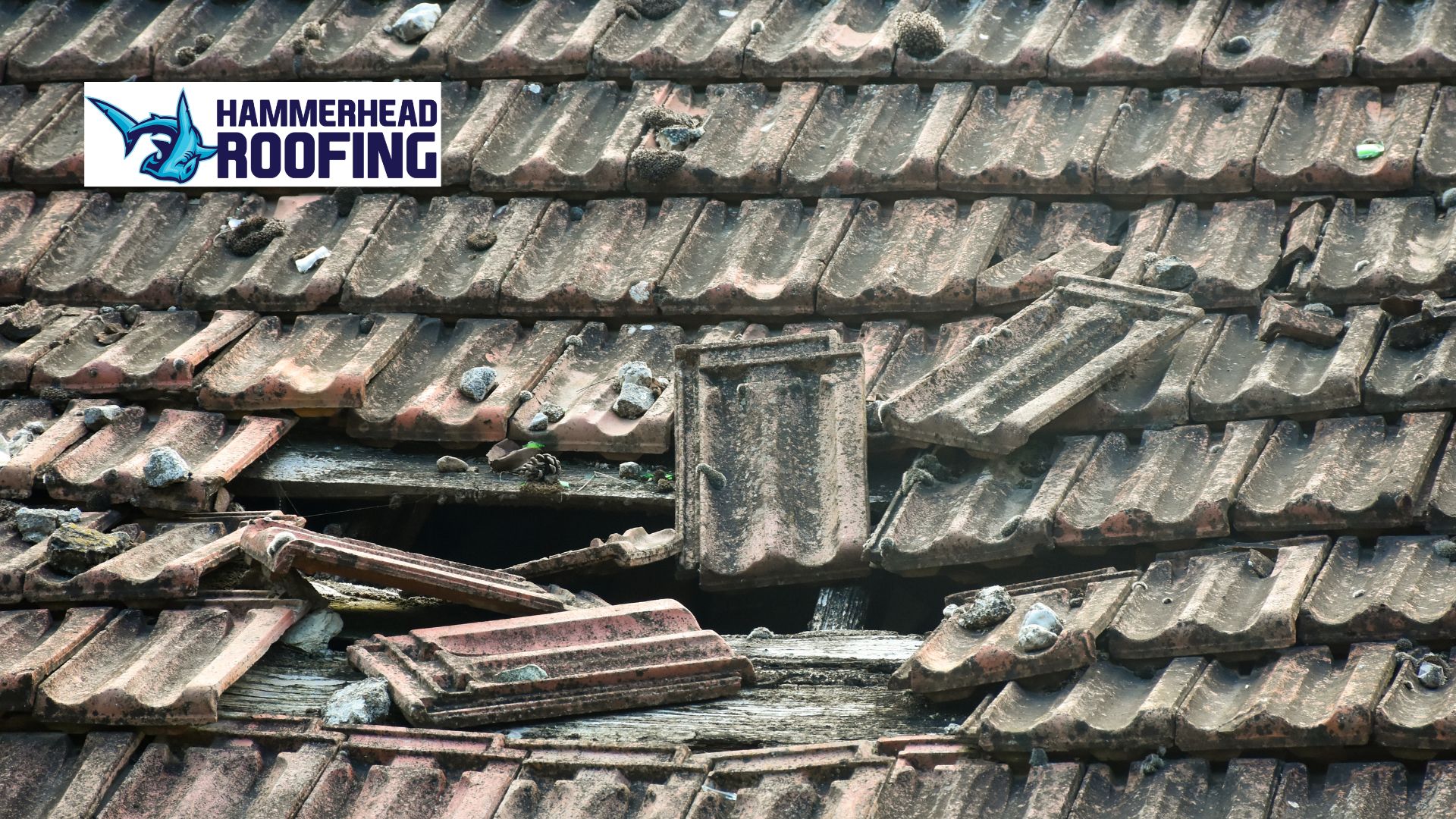
What To Do After Storm Damage
Step 1: Check for Safety First
When a storm passes, it’s natural to want to run outside and see if your roof made it through.
But first, make sure everyone is safe.
Look around for things like:
- Downed power lines
- Broken tree limbs
- Pieces of roofing in the yard
- Water leaking inside
- Sagging ceilings
- Fallen branches on the house
If part of the roof looks unstable, stay away from it.
And please, don’t climb onto the roof.
After a storm, shingles can be loose, surfaces can be slippery, and damage is often worse than it looks.
The first step in any emergency roof repair after storm damage situation is keeping people safe.
Step 2: Look for Signs of Roof Damage from the Ground
You can often spot storm damage without ever leaving the ground.
Walk around the house and check for obvious warning signs.
Missing Shingles
Strong wind can rip shingles off or loosen them enough to cause leaks later.
If you see pieces of shingles in the yard, that’s a red flag.
Fallen Debris
Branches and storm debris can damage roofing materials even if it does not look serious at first.
Bent Gutters or Loose Flashing
Storms can tear up more than shingles.
Gutters and flashing often take a beating too.
Water Stains Indoors
Brown spots on ceilings or walls can mean the roof is letting water in.
Sometimes the damage shows up inside before you see it outside.
Step 3: Stop Water From Getting Worse
If your roof is leaking, move fast.
Even a small leak can turn into expensive damage.
Set buckets under drips.
Move furniture or valuables out of the way.
Use towels if water is pooling.
If you can safely use a tarp to cover exposed damage, that may help as a temporary fix until professional roof repair services arrive.
And that’s the key word.
Temporary.
A tarp is not the repair.
It just helps buy time.
Step 4: Take Photos Before Cleaning Up
This matters more than people realize.
Take pictures of everything.
And yes, everything.
Photograph:
- Missing shingles
- Fallen branches
- Ceiling leaks
- Wet drywall
- Damaged gutters
- Debris around the property
- Any temporary emergency measures you take
These photos can help with insurance claims and can also help a roofer understand what happened.
It only takes a few minutes and can save headaches later.
Step 5: Protect the Inside of Your Home
Storm damage does not stop at the roof.
Water can spread fast.
That’s why protecting the inside matters too.
If anything got wet:
- Dry what you can
- Run fans if possible
- Move belongings away from damp spots
- Check the attic for moisture
- Keep an eye on ceilings for bubbling or sagging
Water damage tends to grow quietly.
A small leak today can become mold or rotten wood tomorrow.
That’s why fast emergency roof repair matters.
Step 6: Call for an Emergency Roof Inspection
This is usually the point where it helps to bring in a pro.
Some storm damage is easy to spot.
A lot of it isn’t.
Wind can loosen shingles without ripping them off.
Hail can bruise a roof without obvious holes.
And small storm damage can become big leaks later.
A professional roof repair inspection can help catch hidden issues before they get worse.
They can check for:
- Lifted shingles
- Flashing damage
- Leak entry points
- Hail impact
- Storm-related structural concerns
Sometimes peace of mind alone makes the inspection worth it.
Step 7: Avoid DIY Mistakes
This is where a lot of homeowners get in trouble.
Trying to “quick fix” storm damage can sometimes make it worse.
Common mistakes include:
Walking on a Damaged Roof
That can be dangerous.
And it can cause more damage.
Using Random Patch Materials
Caulk and roof cement are not magic fixes.
They often fail.
Ignoring Small Damage
One missing shingle may not seem urgent.
Until the next rainstorm.
Waiting Too Long
This is a big one.
Storm damage rarely gets better by itself.
If your roof was hit, it makes sense to have it looked at.
Step 8: Contact Insurance if Damage Looks Serious
If the storm caused major damage, start documenting things for your insurance company.
The sooner the better.
Have ready:
- Photos
- Date of the storm
- Notes about damage
- Any emergency repairs you made
A trusted roofing contractor may also help you understand what damage you’re dealing with before moving forward.
That can make the process less stressful.
Step 9: Know When It’s Truly an Emergency
Some damage can wait a day.
Some should not.
Call for emergency roof repair after storm damage right away if you have:
Active Roof Leaks
Water entering the home should be addressed fast.
A Tree Hit the Roof
Even small impacts can hide structural damage.
Missing Sections of Roofing
Exposed areas can let in water fast.
Sagging Areas
This may signal serious trouble.
Another Storm Is Coming
This happens a lot in Connecticut.
If more rain is on the way, temporary protection now can save major repairs later.
Why the First 24 Hours Matter So Much
This first day really matters.
A lot.
Fast action can help prevent:
- Bigger leaks
- Mold growth
- Damaged insulation
- Rotten decking
- Interior repair costs
- Structural problems
What starts as a simple roof repair can become something much larger if it sits too long.
That’s why those first steps matter.
Call HammerHead Roofing for Emergency Roof Repair After Storm Damage!
If your roof took a hit, don’t sit and hope it holds. Let’s protect your home before a bad situation gets worse.
HammerHead Roofing provides trusted roof repair services for homeowners in Killingly and nearby communities, including emergency storm response when you need help fast.
Why homeowners call us:
1. Fast emergency response
2. Honest storm damage inspections
3. Temporary protection and permanent repair solutions
4. Experienced local roofers
5. Help when you need emergency roof repair done right
Storm damage is stressful enough. You don’t have to deal with it alone.
Contact us today for expert help.