
If you’ve ever noticed a water stain on your ceiling after a storm, you’re not alone. The common roof leak causes in Killingly CT homes often come down to weather, aging roofing materials, and small problems that go unnoticed until water starts dripping inside. The good news is that most leaks can be caught early and fixed before they turn into expensive repairs.
Key Takeaways:
|
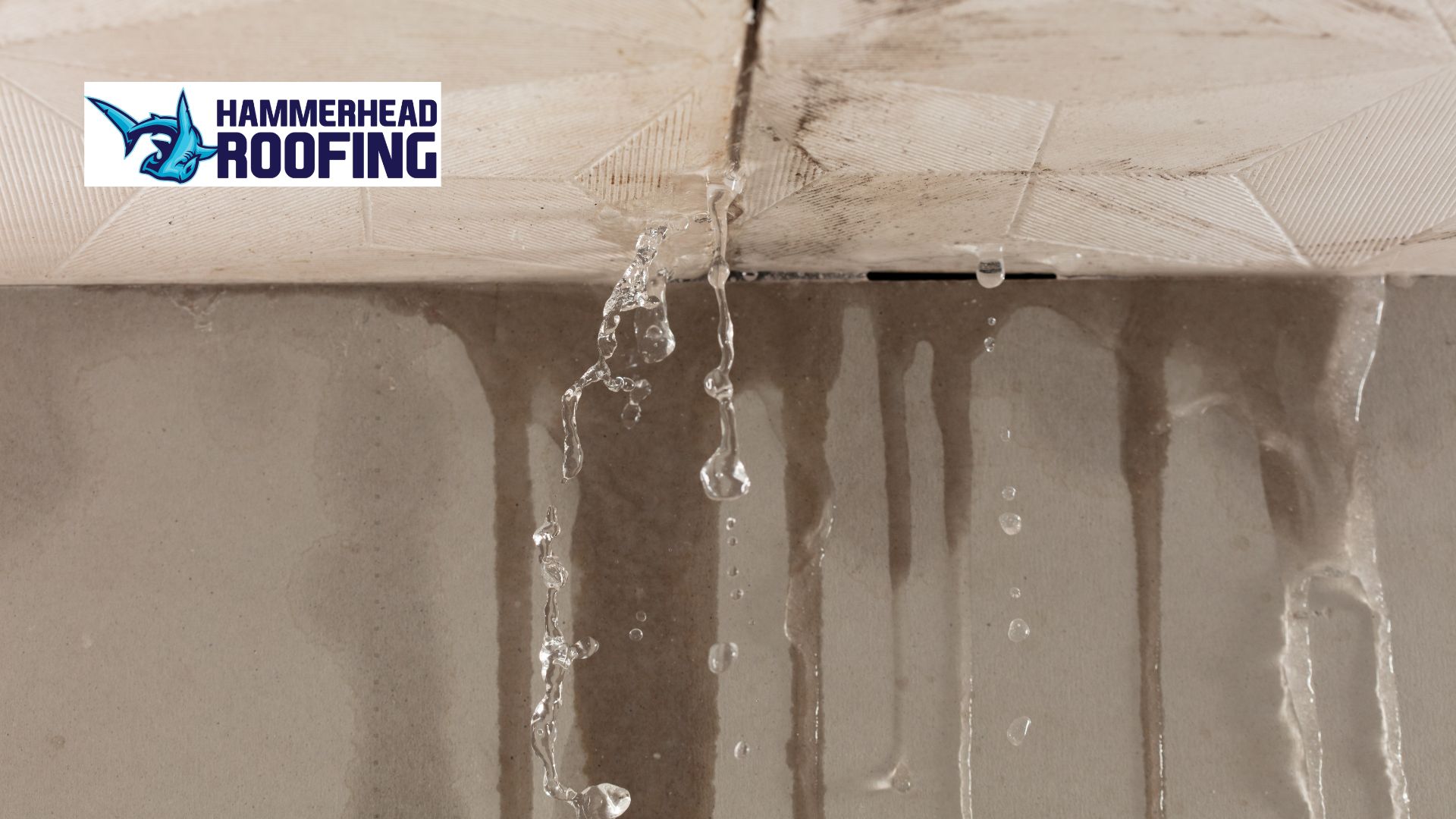
What Are the Common Roof Leak Causes in Killingly CT Homes?
Here are some of the most common reasons homeowners end up dealing with roof leaks.
1. Missing or Damaged Shingles
Your shingles take a beating throughout the year. Between strong winds, heavy rain, snow, ice, and summer heat, it’s normal for some shingles to wear out over time.
When a shingle cracks, curls, or blows off, it leaves part of the roof exposed. Water can then slip underneath and start causing damage before you even realize there’s a problem.
2. Damaged Flashing Around Chimneys and Vents
Flashing is the metal material installed around roof features like chimneys, skylights, and plumbing vents.
These areas are common leak spots because they create openings in the roof. If the flashing becomes loose, rusted, or damaged, water can sneak through during a storm.
3. Clogged Gutters
Many homeowners don’t think of gutters when they think about roof leaks.
But when gutters fill up with leaves, sticks, and debris, water can’t drain properly. Instead, it backs up onto the roof, where it can work its way under shingles and cause leaks.
This is especially common in Killingly during the fall when trees start dropping leaves.
4. Ice Dams During Winter
Connecticut winters can be tough on roofs.
When snow melts and refreezes along the roof edge, it can create an ice dam. That trapped water has nowhere to go and may end up pushing underneath shingles and into your home.
Many homeowners first notice these leaks as water spots on ceilings during late winter or early spring.
5. Cracked Vent Pipe Boots
Every roof has plumbing vents sticking through it. Around those pipes is a rubber seal called a pipe boot.
As the years go by, that rubber can crack from sun exposure and changing temperatures. Once that happens, rainwater can enter around the pipe and create a leak.
6. Old Roofing Materials
No roof lasts forever.
As roofing materials age, they become less effective at keeping water out. Shingles can become brittle, sealants can dry out, and protective barriers can start to fail.
If your roof is nearing the end of its lifespan, leaks often become more common.
7. Roof Valley Wear and Tear
Roof valleys are the areas where two roof slopes meet.
Because these sections handle a large amount of rainwater, they tend to wear out faster than other parts of the roof. When the materials in a valley begin to break down, leaks can develop surprisingly fast.
8. Skylight Leaks
Skylights bring natural light into a home, but they’re also one of the more common places for leaks to start.
Worn-out seals, damaged flashing, or poor installation can all allow water to get inside, especially during heavy rainstorms.
What Should You Do If Your Roof Is Leaking?
First, don’t panic.
Move furniture or valuables away from the affected area and place a bucket under any active drips. If it’s safe to do so, take photos of the damage for insurance purposes.
Then contact a trusted roof leak repair company as soon as possible. The sooner the source is found, the easier and less expensive the repair usually is.
Frequently Asked Questions
What is the most common roof leak causes in Killingly CT homes?
Damaged shingles and failing flashing are among the most common causes. Both can allow water to enter the roof system during rain or snow.
Can a roof leak fix itself?
No. Once water finds a path into your home, the problem usually gets worse until repairs are made.
How much does roof leak repair cost?
The cost depends on what’s causing the leak and how much damage has occurred. Small repairs are usually much less expensive than fixing major water damage.
Should I call a roof leak repair company right away?
Yes. Even a small leak can lead to mold, wood rot, and interior damage if it’s left untreated.
Can heavy rain cause a roof leak?
Absolutely. Heavy rain often exposes weak spots in a roof, which is why many homeowners first discover they need rain leak repair after a storm.
Don’t Let a Small Leak Turn Into a Big Problem. Call HammerHead Today!
Now that you know the common roof leak causes in Killingly CT homes, it’s easier to spot warning signs before serious damage happens.
At HammerHead Roofing, we help homeowners find leaks, make reliable repairs, and protect their homes from future damage. Whether you need a simple roof leak repair or a full roof inspection after a storm, our team is ready to help.
Contact us today and schedule your roof inspection!