
If you’re researching cedar shake roof lifespan, you’re in the right place. Below, we’ll cover how long it usually lasts, what factors shorten or extend it, and what you can do to protect your roof and your investment.
Key Takeaways:
|
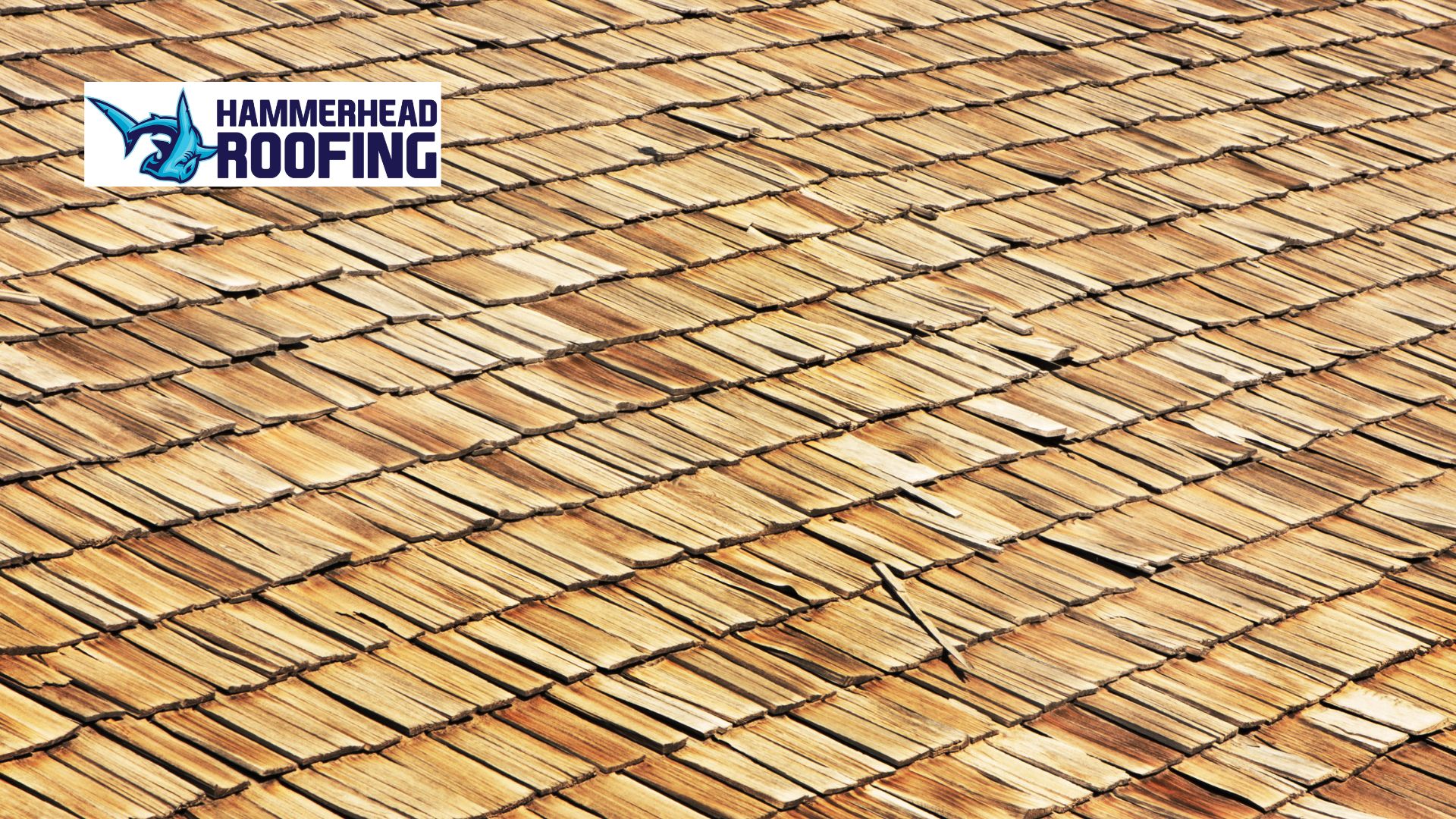
So, How Long Does a Cedar Shake Roof Last?
In ideal conditions, cedar shake roofs can last up to 50 years. In reality, here in Connecticut, most homeowners should expect around 30 to 40 years.
Why the difference? Our climate isn’t exactly gentle on wood roofing. Cedar holds up well, but repeated exposure to moisture, snow, ice, and freeze–thaw cycles slowly wear it down.
That said, a cedar shake roof that’s properly installed, well-ventilated, and regularly inspected can absolutely reach the higher end of that lifespan range. Think of it like owning a classic car. It can last decades, but only if you take care of it.
Factors That Affect Cedar Shake Roof Lifespan
Not all cedar shake roofs age the same way. Two homes on the same street can have very different results. Here’s why.
1. Connecticut Weather and Moisture
Moisture is cedar’s biggest enemy.
In Connecticut, cedar roofs deal with:
- Heavy snowfall that sits on the roof
- Ice dams that push water backward
- Spring rainstorms
- Humid summer air
When moisture doesn’t dry properly, it can lead to rot, splitting, and moss growth, all of which shorten a roof’s lifespan.
2. Quality of the Cedar Shakes
Higher-grade cedar shakes last longer. Period.
Premium shakes are:
- Thicker and more durable
- Less likely to split or warp
- Naturally resistant to insects and decay
Lower-quality shakes may save money upfront, but they often wear out faster, especially in wet climates like ours.
3. Installation Quality
This is one of the most important factors and one of the most overlooked.
Cedar shake roofs require:
- Proper spacing between shakes
- Correct fastener placement
- Specialized underlayment
- Knowledge of how cedar expands and contracts
If a roof is installed too tight or without proper airflow, moisture gets trapped. That’s when problems start early.
4. Roof Ventilation
Good ventilation allows cedar to dry out after rain or snow.
Without it:
- Moisture lingers under the shakes
- Heat builds up in summer
- Shakes dry unevenly and crack
Many cedar roof issues don’t start on the surface. They start underneath, where homeowners can’t see them.
5. Sun Exposure and Shade
Some shade is fine. Too much shade is not.
Roofs that stay damp because of heavy tree cover are more likely to develop:
- Moss
- Algae
- Premature rot
Homes surrounded by trees often need more frequent inspections and cleanings.
How to Make a Cedar Shake Roof Last Longer
Here’s the good news. You have a lot of control about your cedar shake roof lifespan.
1. Schedule Regular Inspections
A professional roof inspection once a year or after major storms can catch small issues early. Fixing one loose or cracked shake is much cheaper than dealing with widespread damage later.
2. Keep the Roof Clean
Leaves, pine needles, and debris trap moisture.
Simple habits like:
- Clearing roof valleys
- Keeping gutters clean
- Removing debris after storms
help cedar dry properly and prevent decay.
3. Address Moss and Algae Early
Moss doesn’t just look bad. It holds moisture against the wood. Early treatment can stop moss before it spreads and causes long-term damage.
4. Make Sure Ventilation Is Working
If your attic ventilation isn’t doing its job, your cedar roof pays the price.
Proper airflow:
- Reduces moisture buildup
- Helps prevent ice dams
- Extends the life of your shakes
A roofing professional can evaluate whether your ventilation system supports a cedar roof properly.
5. Don’t Ignore Small Repairs
Loose shakes, minor leaks, or flashing issues may seem harmless. They’re not. Small problems tend to grow fast with cedar roofing, especially during Connecticut winters.
Contact HammerHead Roofing Today for Professional Help!
If you have a cedar shake roof or you’re thinking about installing one, you don’t have to figure it out alone.
HammerHead Roofing understands how local weather impacts cedar shake roofs. From inspections and maintenance to repairs and full replacements, our team helps protect your investment and extend your roof’s lifespan.
Reach out today to schedule a roof inspection and get honest, local advice you can trust.