
If you’re wondering how to repair hurricane wind damage on roof Killingly CT homeowners face, start by documenting the damage, stopping any leaks, and calling a local roofer for an inspection. A proper repair may include replacing wind-damaged shingles, flashing, underlayment, or roof decking before the next storm causes more trouble.
Key Takeaways:
|
What Affects the Cost of an Emergency Roof Inspection?
No two roof leaks behave the same way. There are many factors that affect how much does emergency rainy season roof inspection cost.
1. Inspection Timing and Emergency Response Fees
An inspection during normal business hours usually costs less than a nighttime, weekend, or holiday visit. After-hours calls may include an emergency response fee because a roofer must adjust the day’s schedule or send a crew out late.
A basic urgent inspection may cost $150 to $300, while an after-hours visit could cost $250 to $500. Ask whether the company will apply the inspection charge toward your repair bill.
2. Roof Size, Pitch, and Accessibility
A large or steep roof takes longer to inspect and may require more safety equipment. Multiple levels, dormers, chimneys, skylights, and older additions can also make parts of the roof harder to reach.
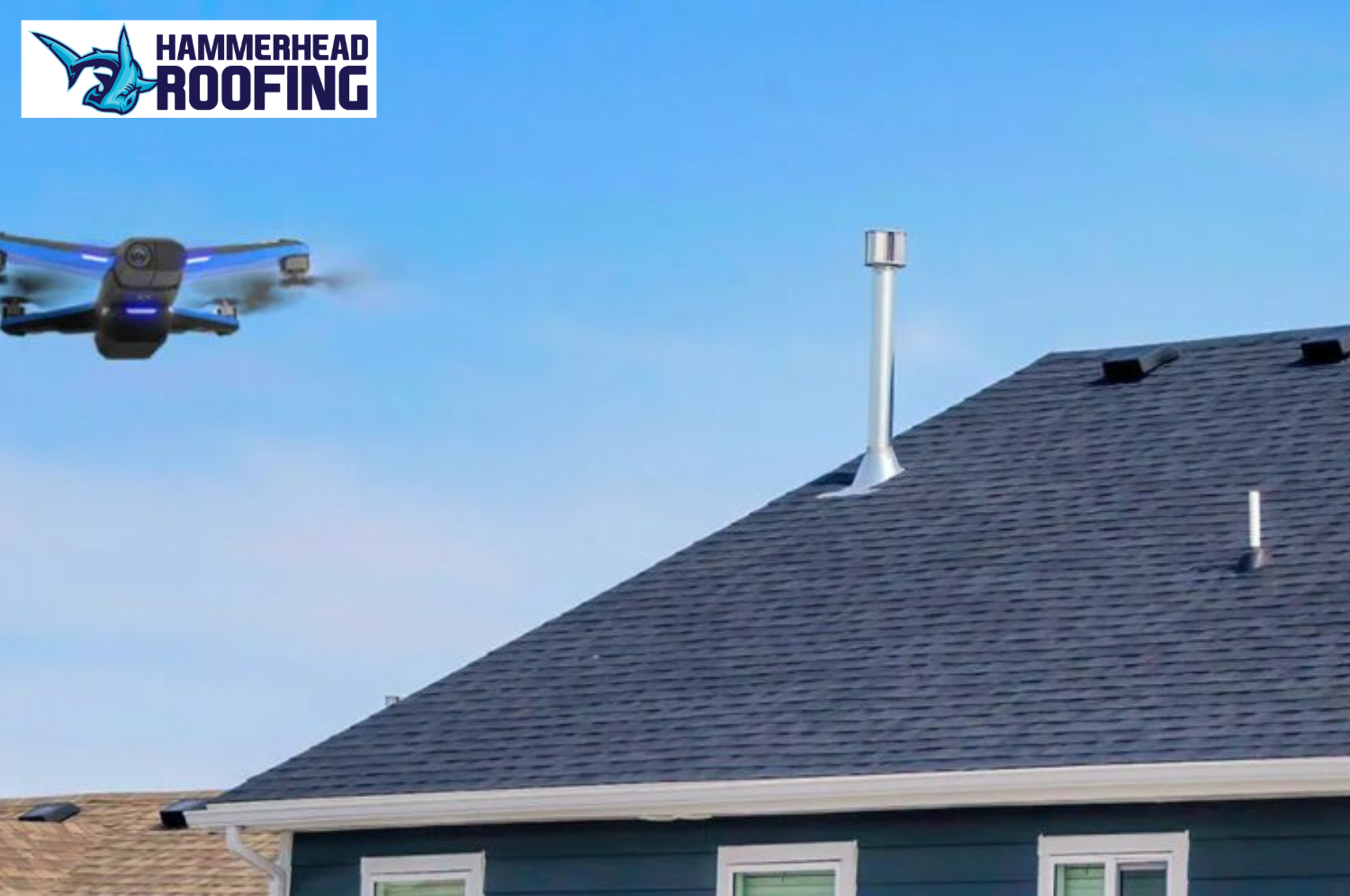
Wet shingles are slippery, so the roofer may need to begin in the attic or use a drone. These extra steps can add to the cost of a roof inspection in Killingly.
3. Leak Type and Location
Missing shingles are often easy to spot. Leaks around flashing, vents, chimneys, valleys, or roof-to-wall joints can be much harder to track down.
For example, you may see a stain beside a bedroom window, but the water could be entering several feet higher near an addition. It may run along the roof decking or a rafter before dripping through your ceiling.
4. Weather and Roof Conditions
Heavy rain, lightning, or strong wind may prevent the roofer from safely completing the outside inspection. The visit might need to happen in two parts, with an interior check first and an exterior check once the weather improves.
An older or badly worn roof can also take more time to inspect. The roofer must determine whether you have one damaged spot or several weak areas letting in water.
5. Additional Inspection and Repair Services
A basic emergency roof inspection may only include a visual assessment. Moisture testing, infrared scanning, drone photos, or detailed paperwork for an insurance claim may cost extra.
Emergency tarping, branch removal, and temporary repairs can also increase the bill. Ask what the quoted price covers before approving any work so you do not get an unexpected charge later.
What Does an Emergency Roof Inspection Include?
An emergency inspection involves more than looking for a missing shingle. The goal is to find the likely entry point, check how far the water has traveled, and decide how to protect your home.
1. A Quick Discussion About the Leak
The roofer will ask when you first noticed the problem, where the water appeared, and what the weather was like. They may also ask whether the leak happens during every rainfall or only when strong winds come from a certain direction.
These details can narrow down the cause. A leak that appears only during wind-driven rain, for example, may point to loose flashing or a weak roof-to-wall connection.
2. An Interior and Attic Inspection
If it is still raining, the inspection will often begin inside your home. The roofer may check the ceiling, walls, attic decking, rafters, insulation, and any areas that feel damp.
Wet insulation, stained wood, rusty nails, and dark marks can show the path water has taken. They may also reveal whether the leak is new or has been developing for some time.
3. An Exterior Roof Inspection
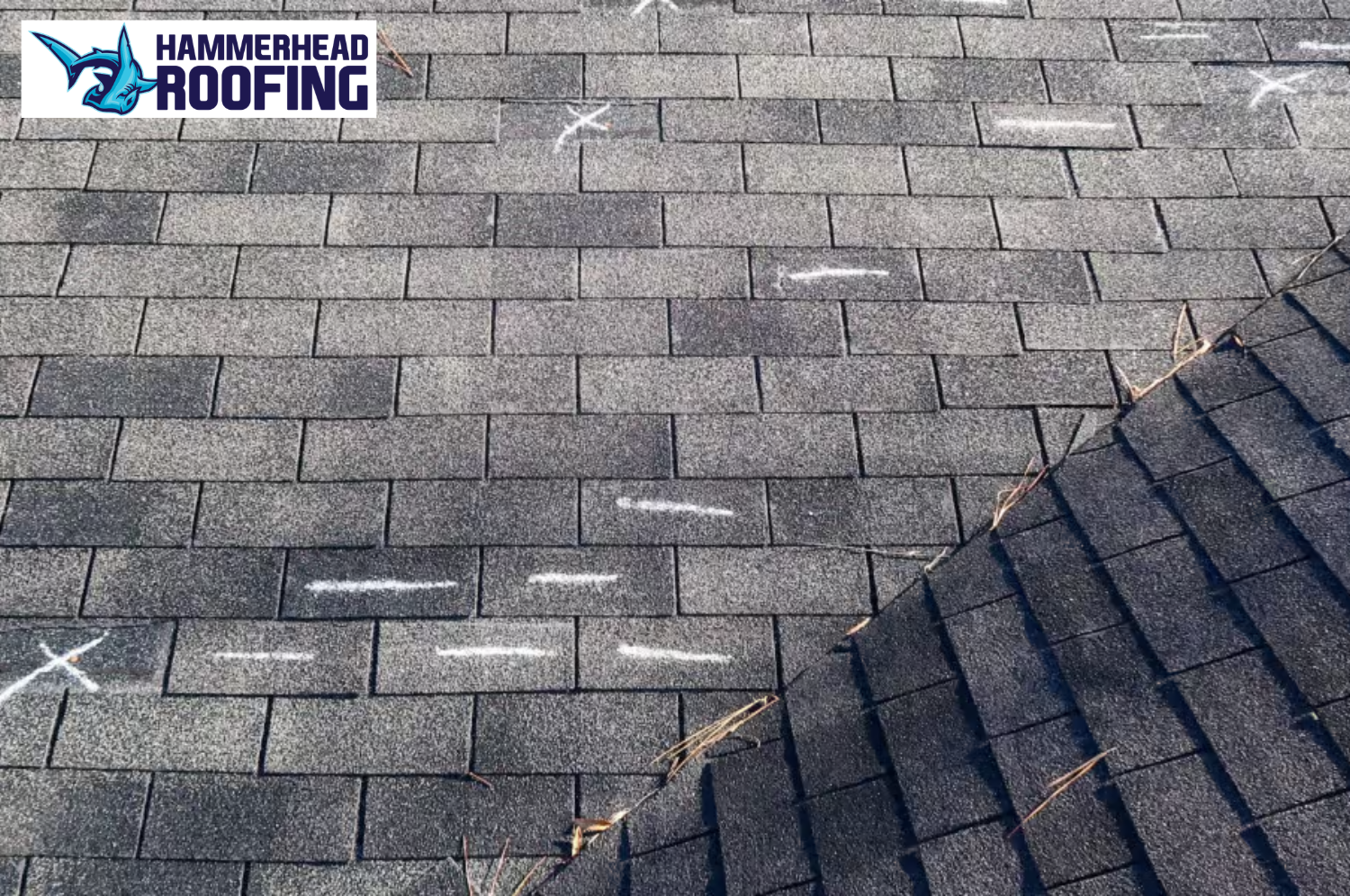
Once it is safe, the roofer will check the outside of the roof. This usually includes shingles, flashing, valleys, chimneys, vents, skylights, roof edges, gutters, and places where different roof sections meet.
The roofer may take photos so you can see the damage without climbing up yourself. Never walk on a wet roof, even if the slope looks gentle from the ground.
4. Leak Tracing and Damage Assessment
The roofer will compare the indoor water marks with the roof’s exterior condition. This helps identify the most likely entry point and shows whether the problem has reached the decking, insulation, drywall, or other materials.
Sometimes the exact source cannot be confirmed during the first visit. If more testing is needed, the roofer should explain what they recommend and why it matters.
5. Temporary Protection and Repair Options
When more rain is coming, the first step may be a tarp, seal, or temporary patch. This does not replace a permanent repair, but it can help limit further water damage until conditions are safe for full work.
After the inspection, you should receive a clear explanation of the problem and your options. Ask for photos and a written estimate, especially if storm damage may lead to an insurance claim.
Frequently Asked Questions
Can a Roofer Inspect My Roof While It Is Raining?
Yes, a roofer can usually begin inside your home or attic while rain is falling. They may wait to inspect the exterior until the rain, wind, or lightning has passed.
Is an Emergency Roof Inspection Free?
Some roofing companies offer free inspections, while others charge for urgent or after-hours service. Ask whether the fee will be credited toward your repair if you hire the same company.
How Quickly Should I Request an Inspection?
Call right away if you see active dripping, a growing ceiling stain, wet insulation, or missing shingles. Waiting through another Killingly rainstorm could turn a small repair into a larger and more expensive problem.
Will Homeowners Insurance Cover the Inspection?
Your policy may cover inspection and repair costs when sudden wind, hail, or a fallen branch caused the damage. Normal wear, poor maintenance, and slow leaks may not be covered, so confirm the details with your insurance company.
What Should I Do While Waiting for the Roofer?
Move furniture and valuables away from the leak, collect dripping water, and take photos if you can do so safely. Stay away from sagging ceilings and wet electrical fixtures, and do not attempt to climb onto the roof.
Need a Roof Inspection in Killingly CT? Call HammerHead Today!
A roof leak is stressful, especially when the forecast calls for more rain. Getting it checked early can help you avoid soaked insulation, damaged drywall, ruined flooring, and a much higher repair bill.
HammerHead Roofing helps homeowners in Killingly, Danielson, Brooklyn, Putnam, Plainfield, and nearby Connecticut communities. We’ll inspect the problem, explain what we find in simple terms, and help you choose a practical next step.
Contact us today to schedule your roof inspection and protect your home before the next rainfall